
Your notary is by your side at every important moment of your life. In particular, when a loved one goes missing. You can count on his help to resolve the legal and tax issues raised by the opening of a notarial succession.
The settlement of a notarial estate in New Jessey or elsewhere in America includes three main steps, to be completed within six months of the death, with some exceptions.
.
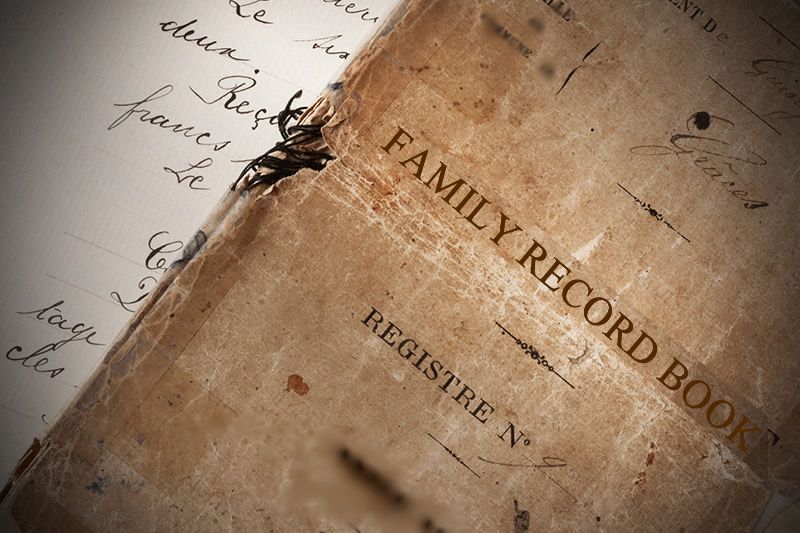
First, the notary draws up an act of Notoriety which specifies the persons called upon to collect the notarial estate in New Jessey, as well as their respective rights. To do this, he needs the relatives of the deceased to provide him with the documents allowing him to identify the family members concerned by the succession (family record book, marriage contract, divorce judgment, or even will, gift between spouses, etc.).
.
The notary is also required to examine the central file of last will provisions before signing any deed..
.
The notary then draws up the list of assets and debts constituting the estate of the deceased (bank accounts, securities, furniture, buildings) and their value.
Notary Estate in New Jessey.
.
As such, it is necessary to send him a set of documents (title deeds, bank statements, savings books, invoices) allowing him to evaluate the assets and liabilities of the estate, and indicate to him the various operations carried out in the passed by the deceased (purchases, sales, incorporation of companies, donations). Then, the notary draws up a real estate certificate for the buildings, to be published at the Mortgage Office, and drafts the declaration of succession with, according to, payment of the rights to the tax collection within six months of the death..
.
Sharing may possibly be the third step. The heirs can decide not to share: they then remain in “joint ownership”. But if the joint ownership is considered too restrictive, the decisions having to be taken in most cases unanimously, the heirs may wish to divide the property.